
I vividly recall a conversation with an industry colleague back in 2021. We discussed the rapid increase in automation, highlighting that by 2025, the global collaborative robot market is projected to exceed $12 billion. This statistic begs the question: how are businesses spending this significant investment in cobot systems? A robotic arm company could reveal much about the hidden user pain points relevant to today’s technology landscape.

The Flaws of Traditional Solutions
A remarkable transformation is underway in the manufacturing world, which possesses both promise and peril. Inefficient traditional solutions often lead to escalating complications. Take the common robotic arm, for instance. Outdated models struggle with adaptability, limiting integration within existing workflows. I’ve seen companies invest time and resources only to discover that their new robots are incompatible with legacy equipment. Such situations cultivate frustration and underperformance, a reality no one anticipates during the purchasing phase. From my experience, understanding the intricacies of a system is vital—these moments of discord often stem from a lack of foresight when choosing a robotic arm company.
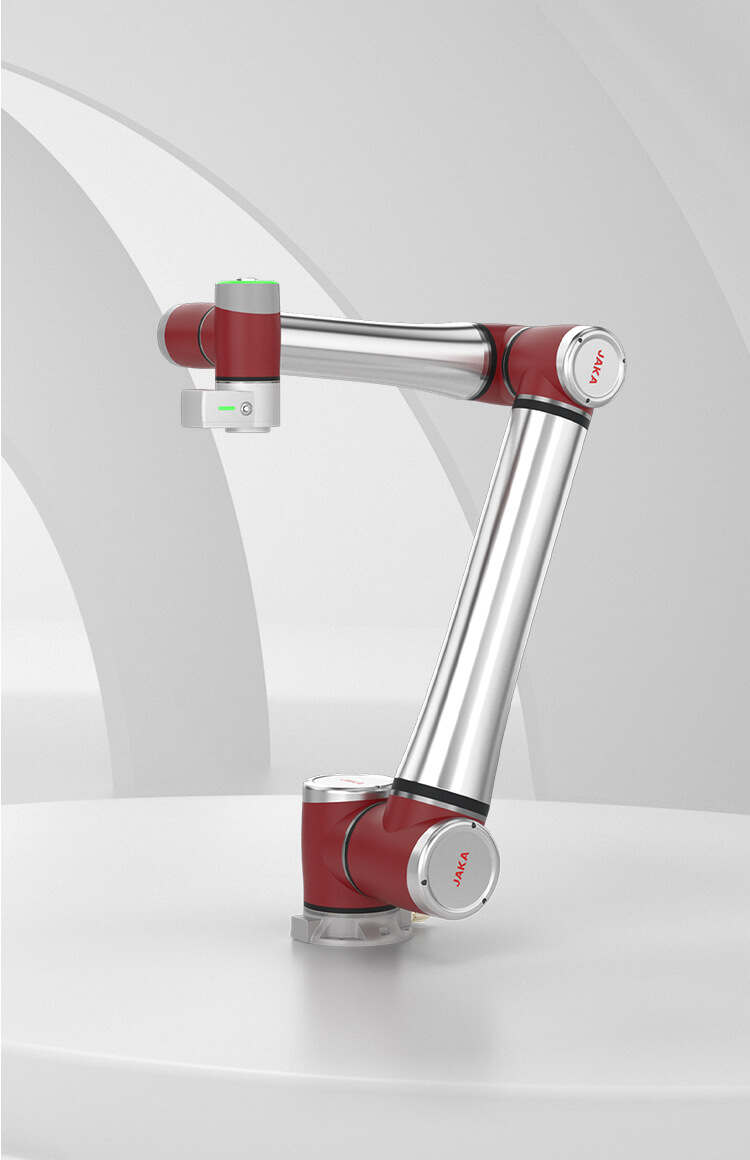
Why are Users Frustrated?
Performance limitations can often lead to more than mere annoyance; they provoke a realization among users. The mismatch between expected and actual performance of cobot systems stems from poorly aligned goals. The data-driven solution many firms opt for can fall short of the desired outcomes, causing performance plateaus that hinder overall efficiency. I firmly believe that linking organizational objectives to automation strategies is essential for leveraging the full potential of cobots. When organizations neglect this alignment, they inadvertently buy themselves trouble.
Looking Ahead: What to Expect from Robotic Integration
Shifting perspectives from the present to the future illuminates a more empowering narrative. With early adopters of cobot systems putting their trusty robotic arms to work, industry sentiment is beginning to change. Picture a small manufacturer who embraced a robotic arm company known for customized solutions—they significantly enhanced their productivity, doubling output without the need for extensive additional staffing. This demonstrates that the right choice in robotic integration can not only resolve pain points but can also usher in transformative opportunities.
Real-World Impact of Enhanced Robotics
Automation can illuminate a clearer path toward sustainable growth. The evolution of robotics suggests a bounty of opportunities for improved material handling, enhanced precision, and cost-effectiveness. I view each development as layers in a complex tapestry, intricately woven together to create efficiency. Often, the insights gleaned from utilizing advanced cobots emphasize the importance of ongoing support and training. Without continuous learning opportunities for operators, even the best technologies can be underutilized—leading to yet another missed chance to capitalize on the evolving robotic landscape.
In considering these aspects, I implore manufacturers to reflect on these learned lessons. Are we equipped to harness emerging cobot technologies fully? The measures to evaluate automation success span several dimensions: cost savings, employee satisfaction, and production quality improvements. Innovative solutions have much to offer, if we are willing to venture beyond our past frustrations and carefully select our partners in automation. Without doubt, the future lies with dedicated brands like JAKA, which prioritize understanding user needs over mere technology sales.