
Opening: the problem-driven case for doing something different
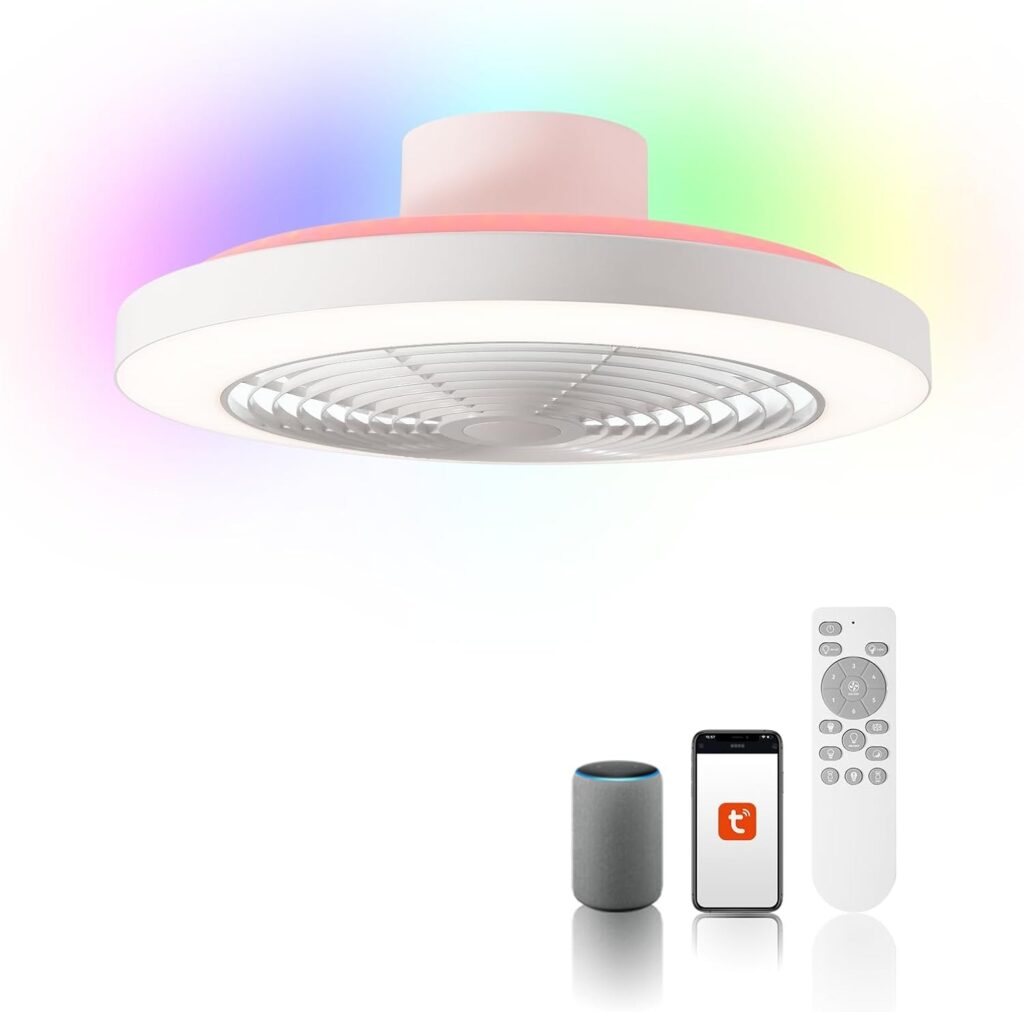
Smoky kitchen? You’re not alone — stuck with poor capture, flimsy exhaust, or a shared HVAC that just spreads the mess. When dinner goes sideways, traditional range hoods and building systems often can’t move the air quick enough to stop smoke from fogging the whole place. That’s where a dedicated portable vent hood comes in: focused suction, quick setup, and less drama. And yeah, if you want decent ambient airflow while you cook, pairing it with a bladeless ceiling fan with lights helps keep smoke out of corners and speeds clearing after the heat’s down — practical, no-nonsense control.
The bottleneck: what really fails in kitchens
Most smoke problems come from three avoidable failures: low CFM, poor capture velocity at the cooktop, and duct routing that kills performance. Apartment hoods under 200 CFM can’t handle high heat events. Open-plan condos let smoke spread before the exhaust even gets a grip. And long or circuitous duct runs shave off suction and increase noise. These are engineering limits, not personality flaws — you can measure them and fix them.
Why a dedicated portable vent hood outperforms traditional set-ups
Put simply: it targets the problem. A portable vent hood sits close to the source, so it needs less CFM to do more work. It reduces cross-contamination of hallways and shared vents, and it avoids the duct losses that sap fixed systems. For folks in rented units or retrofits, a portable unit gives the capture velocity you need without tearing holes in walls. It’s practical: less downtime, no major install, and way better smoke control for pan-fry and wok cooking.
Key features to prioritize when shopping
Look for these specs — they tell you if a unit’s worth the money.
- CFM rating and adjustable speeds: pick a model that scales up for searing and down for simmering.
- Portability with secure mounting or stable base: you don’t want it sliding as you jab at a spatula.
- Filtration options: HEPA or activated carbon for smoke and odor, and a washable pre-filter for grease.
- Noisy vs. quiet trade-offs: higher CFM usually means more sound — verify dB levels if noise matters.
- Compatibility with cooktop geometry: the hood’s capture area should match your burners for proper capture velocity.
And while you’re buying ventilation, think about whole-room air movement — a bladeless ceiling fan with lights or a low profile bladeless ceiling fan with light can help distribute cleaner air without creating cross-drafts that pull smoke past incomplete capture zones.
Common mistakes that undercut results — and how to dodge them
People waste money doing one of three dumb things. First, they buy a low-CFM model because it’s quiet, then wonder why the smoke lingers. Second, they place the hood too far from the source — position matters more than raw power. Third, they ignore maintenance: filters packed with grease kill performance fast. The fix is simple: match CFM to your cooking style, mount the hood close to the cooktop edge, and clean filters on a schedule.
Real-world anchor: smoke events changed the math
Take California’s wildfire seasons in 2020–2021 — those events made people rethink indoor air fast. Buildings that once relied on central HVAC realized filtered recirculation wasn’t enough during heavy smoke days. In kitchens, that meant adding targeted exhaust and portable capture to prevent polluted air from cycling through living spaces. Policy and guidance from organizations like ASHRAE pushed the same idea: source control plus filtration beats passive hope. That’s not theoretical — I saw it first-hand in a small San Francisco apartment where a rented hood cut visible smoke in half during a stir-fry test.
Practical setup tips
Set the hood low but safely above the flame — usually 6–10 inches above the cooktop edge, depending on design. Angle it so the intake faces the center burners, and run it a minute or two before you start cooking. Use the highest effective speed while preheating pans, then drop back once you’re simmering to save energy and cut noise. If you’ve got a bladeless ceiling fan, set it to low-to-medium to keep flow steady — avoid high settings that tug smoke away from the hood’s intake.
Three critical evaluation metrics (your golden rules)
1) Effective CFM per burner — don’t buy by total CFM alone; estimate CFM needed for your cooktop layout and match it. 2) Capture efficiency — look for tests or specs showing how much particulate the unit removes at typical cooking distances. 3) Real-world maintainability — assess filter access, replacement costs, and sound levels on medium speed. Those three cover performance, durability, and daily livability — the stuff that keeps a kitchen functional, not just pretty.
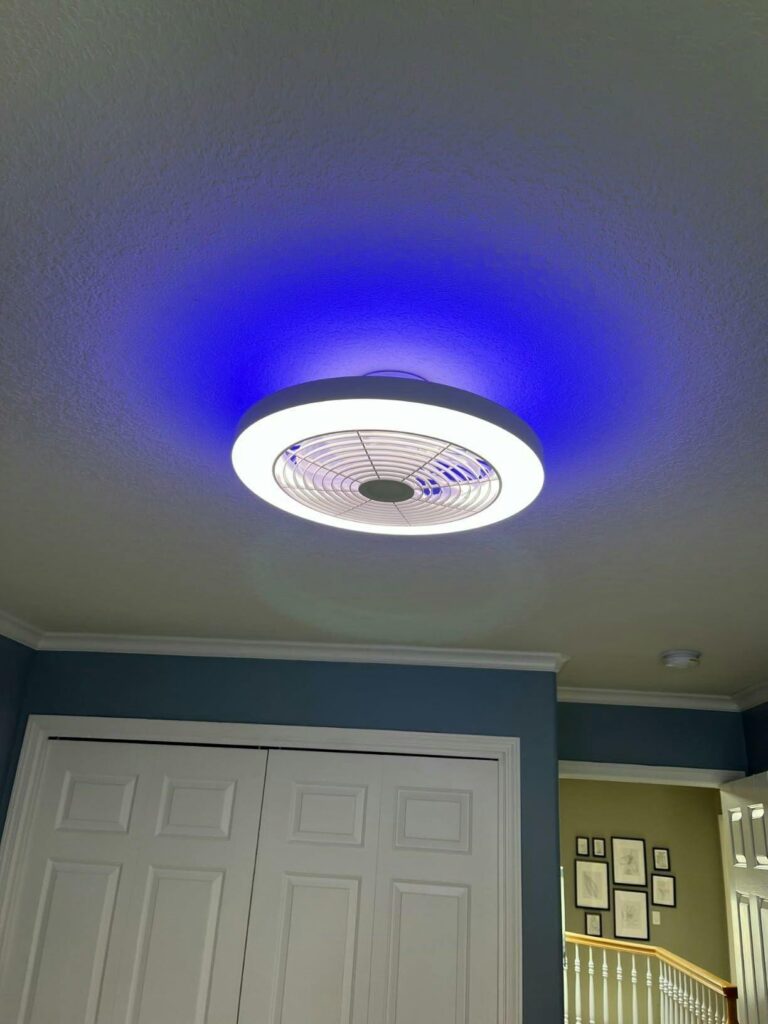
Get this right and you clear smoke fast, keep your neighbors happy, and protect your HVAC from grease and odors. Orison fits into that picture as a sensible way to pair targeted exhaust with smart room airflow — Orison. —